
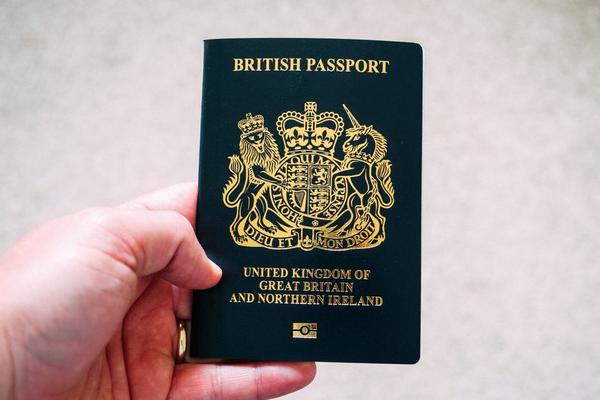
Indefinite leave to remain and British citizenship can both give you long-term security in the UK, but they are not the same status. ILR is an immigration status that lets you live in the UK without a time limit. British citizenship makes you a British national and adds rights such as access to a British passport and broader voting rights.
For settled residents, the choice often depends on travel plans, nationality, family circumstances and how permanent they want their connection to the UK to be.
ILR vs citizenship: the main difference
Indefinite leave to remain gives you permission to live, work and study in the UK without needing to extend a visa. You can generally use public services and, where eligible, claim public funds and pensions. However, you remain subject to UK immigration law.
British citizenship is a nationality rather than immigration permission. A British citizen normally has the right of abode in the UK, can apply for a British passport and does not rely on ILR to enter or remain in the country. That is the key distinction in a settlement vs citizenship UK comparison.
Travel and long absences from the UK
Travel is one of the biggest practical differences. Standard ILR can be lost if you remain outside the UK, the Channel Islands and the Isle of Man for more than two continuous years. You may then need a Returning Resident visa before coming back to live in the UK.
There are exceptions. Settled status under the EU Settlement Scheme usually allows up to five continuous years abroad before it lapses; some Swiss citizens and family members have a four-year period.
British citizenship does not normally lapse simply because you live abroad for several years. For example, someone with standard ILR who accepts a three-year overseas assignment could put their settled status at risk. If that person had already naturalised as a British citizen, the extended absence would not normally remove their citizenship.
Work, study, healthcare and benefits
For everyday life inside the UK, the difference may feel smaller. ILR rights generally include the ability to work, run a business and study without a visa time limit. Settled residents can also use public services such as healthcare and schools and may access benefits or pensions if they meet the relevant rules.
Citizenship does not automatically increase every entitlement because benefits, healthcare and pensions can still depend on separate eligibility rules. Its main additional advantages are nationality, travel security and political participation.
Voting rights are not determined by ILR alone
A common misconception is that everyone with ILR automatically gains the same voting rights as a British citizen. Voting eligibility also depends on nationality and the type of election.
British citizens who meet the legal requirements can vote in UK general elections. Irish citizens and qualifying Commonwealth citizens may also be eligible, including many people with ILR. Other settled residents can have different voting rights depending on nationality and where they live.
British passport and proof of status
ILR does not make you eligible for a British passport. You normally continue travelling on the passport of your existing nationality and must be able to show your UK immigration status, now commonly held digitally through an eVisa.
After becoming a British citizen, you can generally apply for a British passport. Entry rules for other countries still depend on the destination.
When can someone with ILR apply for citizenship?
Most adults applying for naturalisation on the standard route must usually have lived in the UK for at least five years and have been free from immigration time restrictions for the 12 months before applying. Someone who has just received ILR therefore normally waits 12 months before applying.
The residence rules usually allow no more than 450 days outside the UK during the five-year qualifying period and no more than 90 days outside the UK in the final 12 months. You must also normally have been physically present in the UK exactly five years before the Home Office receives the application.
If you are married to or in a civil partnership with a British citizen, the route is different. You can usually apply as soon as you have ILR or settled status, without the extra 12-month wait, if you meet the three-year residence requirement and the other conditions. Applicants normally also need to meet good-character, English-language and Life in the UK requirements, subject to exemptions.
Useful related topics for internal linking include British citizenship application requirements, Life in the UK test guidance, and how to apply for indefinite leave to remain.
How do the costs compare?
Fees can change, so check GOV.UK before applying. As of October 2026, naturalisation costs £1,709 plus a £130 citizenship ceremony fee, making £1,839 in total. The standard ILR application fee is £3,226 per applicant. Other costs can apply depending on your route and any optional services.
If you already hold ILR, the question is whether the additional citizenship cost is worthwhile. People expecting long periods abroad may place more value on citizenship.
Should you keep ILR or apply for British citizenship?
Keeping ILR can be reasonable if you plan to remain mainly in the UK, are comfortable travelling on your existing passport and do not need the additional rights of citizenship. There is no general requirement to naturalise simply because you become eligible.
Citizenship may be more attractive if you want a British passport, stronger protection against losing your UK status through prolonged absence, or the political rights available to British citizens. Also check whether your current country permits dual nationality. UK law allows dual citizenship, but another country may have different rules.
Frequently asked questions
Is ILR the same as British citizenship?
No. ILR is permission to live in the UK without a time limit, while British citizenship is a nationality. A person with ILR remains subject to immigration-status rules that do not apply in the same way to a British citizen.
Can I lose ILR if I live abroad?
Yes. Standard ILR can normally lapse after more than two continuous years outside the UK, although different absence periods apply to some people with settled status under the EU Settlement Scheme.
Do I have to become a British citizen after getting ILR?
No. Naturalisation is optional. You can keep ILR provided you continue to meet the rules that preserve your status.
Can I apply for citizenship immediately after getting ILR?
Usually not on the standard five-year route because you normally need 12 months free from immigration time restrictions. If you are married to or in a civil partnership with a British citizen, you can usually apply as soon as you have ILR or settled status if you meet the other requirements.
Which status offers greater long-term security?
ILR is a strong form of settlement and gives most people stability in the UK. Citizenship goes further by removing reliance on immigration permission, opening the route to a British passport and providing greater security for people who may spend long periods overseas.
The better choice depends on your plans. If you are eligible, compare the cost and application requirements with the practical value of citizenship for your travel, family and future before deciding.