
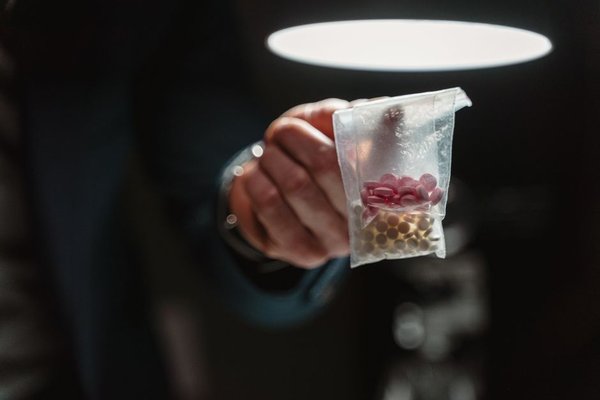
Drug driving law in the UK is not simply a rule against driving while visibly intoxicated. In England, Wales and Scotland, a driver can commit an offence by exceeding a specified blood concentration of certain drugs, even without obvious impairment. Separately, driving while unfit because of any drug can be an offence regardless of a numerical limit. That distinction matters for recreational drugs, prescribed medicines and roadside checks.
Two ways drug driving becomes an offence
Driving while impaired
Section 4 of the Road Traffic Act 1988 makes it an offence in Great Britain to drive, attempt to drive or be in charge of a vehicle when unfit through drink or drugs. Prosecutors must establish impairment affecting the ability to drive properly. This can involve illegal substances, prescription medicines or over-the-counter remedies.
Exceeding a specified drug limit
Section 5A creates a separate offence in Great Britain involving specified controlled drugs above their legal blood limits. Police do not need to prove that driving was actually impaired. The law also covers attempting to drive and being in charge of a vehicle, although penalties can differ from those for driving.
Northern Ireland has different legislation: the specified blood-limit scheme described below does not apply there. Driving while unfit through drugs remains illegal. Drivers crossing jurisdictions should not assume the same rules apply throughout the UK.
What are the drug driving limits in the UK?
The statutory drug driving limits UK drivers ask about are measured in microgrammes per litre of blood (µg/L). Among the specified limits in England, Wales and Scotland are:
Delta-9-THC, the principal psychoactive component of cannabis: 2 µg/L. Cocaine: 10 µg/L. Benzoylecgonine, a cocaine breakdown product: 50 µg/L. Ketamine: 20 µg/L. MDMA: 10 µg/L. Morphine: 80 µg/L. Diazepam: 550 µg/L. Methadone: 500 µg/L. Amphetamine: 250 µg/L.
These are examples, not the full list of 17 specified drugs. The thresholds are not recommended amounts to consume before driving. For several drugs associated with illegal use, the government set very low limits rather than levels representing individual impairment. Other limits reflect medicinal use and road-safety considerations.
There is no dependable conversion from a tablet, joint or dose into a legal blood reading. Drug strength, metabolism, repeated use and the time since consumption affect results. Feeling normal does not establish that a driver is under the statutory limit.
What happens during a roadside drug test?
Police may investigate suspected drug driving after observing a driver, dealing with a traffic offence or attending a collision. Officers can use a field impairment assessment, which may involve checking coordination, balance and the ability to follow instructions. They can also administer a roadside drug test using saliva-screening equipment, commonly for cannabis and cocaine.
A positive roadside screen is not itself a conviction or a precise measurement of the statutory blood concentration. Police may arrest the driver and obtain an evidential specimen. For the specified-limit offence in Great Britain, laboratory analysis of blood is central because the prescribed limits are expressed in blood concentrations.
Other evidence can matter in an impairment prosecution, including officer observations and driving behaviour. Refusing a legally required specimen without reasonable excuse may create a separate offence. For more on the distinction, see refusing a police breath or drug test.
Can you drive after taking prescription medicine?
Prescription drug driving rules are misunderstood. A medicine being legally prescribed does not guarantee that driving is lawful, and exceeding a specified limit does not automatically mean a patient taking medication correctly has committed the section 5A offence.
Great Britain’s legislation provides a statutory medical defence for a specified-limit charge where a controlled drug was lawfully prescribed or supplied for medical or dental purposes, taken in accordance with relevant directions and instructions, and other statutory conditions are satisfied. The defence is unavailable where driving contradicted relevant advice about waiting before driving. It does not protect impaired driving.
For example, someone prescribed diazepam who follows their clinician’s instructions may rely on the medical defence to an over-limit allegation. But if the medicine leaves them drowsy or unable to respond safely to hazards, driving may still lead to an impairment charge. A prescription is not permission to drive unsafely.
Before driving with a new or changed medicine, read its leaflet, follow dosage advice and ask the prescriber or pharmacist about sedation. Be especially cautious when starting medication or increasing a dose. Do not stop essential treatment merely to avoid a drug test without medical advice.
How long after taking drugs is it safe to drive?
No universal waiting period guarantees a negative blood result or safe driving. Substances remain detectable for different periods, and detection is not identical to impairment. Cannabis can be difficult to judge because repeated use and personal variation complicate predictions. Cocaine metabolites may remain relevant after the immediate effects fade.
Consider a driver who used cannabis the previous evening, slept normally and feels alert the next morning. That person might still exceed the 2 µg/L THC limit. Neither a night’s sleep nor a home saliva test provides a legal guarantee. Arrange other transport rather than calculate a guessed clearance time.
Penalties and longer-term consequences
For a drug-driving conviction in Great Britain, GOV.UK lists a minimum one-year driving ban, an unlimited fine, up to six months in prison and a criminal record. Sentences depend on the offence and circumstances. A drug-driving endorsement can remain on the licence for 11 years. Being in charge without driving is treated differently, so a minimum ban should not be assumed for every charge.
A conviction can affect insurance premiums, jobs involving driving and international travel. More serious offences involving injury or death can carry much heavier sentences. Readers comparing sanctions may find drink driving penalties in the UK and driving bans and licence endorsements useful.
Frequently asked questions
Can I be charged if I was driving normally?
Yes. Under the specified-limit offence in Great Britain, prosecutors need not prove poor driving if the evidential concentration exceeds the relevant limit and no applicable defence succeeds.
Does a roadside drug test measure the exact legal limit?
No. It is a screening test. A laboratory-tested evidential sample assesses the specified blood limits; impairment cases may involve additional evidence.
Is prescribed medical cannabis automatically exempt?
No. A lawfully prescribed controlled drug may engage the statutory medical defence to a specified-limit allegation when its conditions are met. Impaired driving remains unlawful, and documentation alone is not a blanket exemption.
Are the same drug limits used in Northern Ireland?
No. Northern Ireland prosecutes drug-impaired driving under its own rules rather than the specified-limit scheme operating in England, Wales and Scotland.
Conclusion
Impairment and blood concentration are separate legal risks. A driver can feel fit yet exceed a prescribed limit, or fall outside the specified-limit offence and still be too impaired to drive. Know the rules where you are driving, seek professional advice about medication and choose alternative transport whenever your fitness to drive is uncertain.