
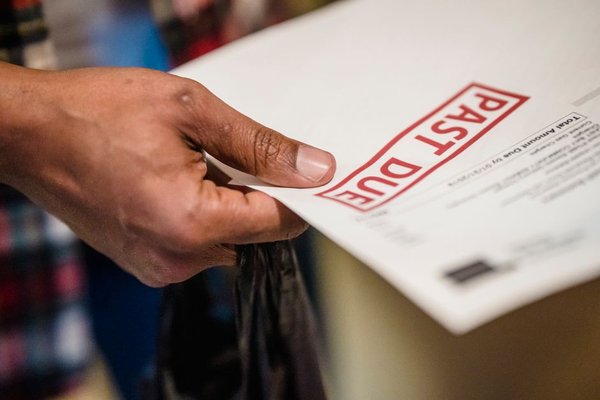
A debt collection letter can make an ordinary morning feel urgent, especially when it demands payment within days or mentions further action. But receiving a debt collection notice does not automatically mean the amount is correct, that you must pay immediately, or that someone can take your belongings. First identify what the letter is, check the claim and respond in a way that protects your rights.
Start by identifying the letter
An ordinary demand from a debt collection agency differs from a formal letter of claim or court papers. The agency may act for the original lender, or a company may have bought the account. Ask who owns the debt and who is authorised to collect it.
In England and Wales, where the Pre-Action Protocol for Debt Claims applies, a business pursuing an individual should send a letter of claim with prescribed information and a Reply Form. It must generally allow at least 30 days before starting proceedings. Actual court papers have separate deadlines. Never ignore them while negotiating informally.
What should you check before replying?
Confirm the sender and balance
Check the sender independently rather than relying solely on contact details in an unexpected message. Scammers can copy letterheads and invent account numbers. Look for the original creditor, account reference, amount, dates and explanation of interest or fees. Compare everything with bank transactions, statements and earlier letters.
Suppose a collector demands £780 for a credit card you closed two years ago. Your records show a £500 final balance followed by a £500 payment. Do not send a token payment simply to stop the calls. Gather the evidence and ask the firm to explain why it still claims £780.
Consider the age of the debt
Many unsecured debts in England and Wales have a six-year limitation period, but its start date and any payments, written acknowledgements or court proceedings can affect the calculation. In Scotland, many obligations are subject to five-year prescription, with exceptions. Northern Ireland has different procedures.
If a debt might be statute barred or close to the deadline, seek advice before making a payment or acknowledging liability in writing; either action can affect your position. Court judgments, mortgages and some other debts have different rules. Understanding whether a debt is statute barred is especially useful when the last contact was years ago.
Your rights against unfair collection practices
For debts governed by the Financial Conduct Authority’s consumer credit rules, collectors must not mislead you about their powers, demand recovery costs without a contractual right or contact you unfairly. They must consider reasonable preferences about when and how to communicate and must not improperly disclose debt details to others.
Where you dispute a regulated debt on valid or potentially valid grounds, FCA rules require the firm to suspend recovery steps while investigating. It must provide details in a timely manner. Questions about whether the account is yours or the balance is correct are legitimate disputes, not an automatic refusal to pay.
A debt collector is not a bailiff or enforcement agent. An ordinary collection letter does not authorise seizure of goods, and a doorstep collector cannot enter your home merely because a payment is demanded. Council tax, tax debts and court enforcement can follow different rules, so identify the type of debt before relying on general advice.
How to prepare a debt letter response in the UK
If limitation is not a concern, a short written reply provides a record. Include the reference number, state exactly what you dispute and request evidence. Keep personal information to what is necessary. Do not send original documents.
If you need to dispute a debt letter
A practical response might read: “I dispute the balance claimed under reference [reference]. My records show a payment on [date]. Please send a full statement, explain any additional charges and confirm that recovery activity is suspended during your investigation.” Tailor it to your circumstances; do not use it without advice if the debt might be statute barred.
If the account is not yours, say so and ask the firm to establish the borrower’s identity. If only some charges are wrong, distinguish those from any undisputed amount. A focused, factual explanation is more effective than a lengthy, angry message.
If the debt is yours but unaffordable
Do not promise an instalment before checking essential living costs and priority debts. Explain your financial difficulty, ask for an affordable arrangement and request consideration of interest or charge relief. Free debt advisers can discuss your options, including applicable Breathing Space protections. A guide to prioritising debts may help you plan before agreeing to payments.
Build a paper trail from the first contact
Save the original letter and envelope, emails, statements, your response and proof of posting or sending. Note call dates, names and what was discussed. Ask for important decisions in writing.
A simple timeline might say: “3 October: demand received; 5 October: balance disputed; 10 October: statement supplied.” If collection demands continue during a valid unresolved dispute, the timeline will help demonstrate what happened. It also supports a complaint if contact becomes unreasonable.
What if the letter threatens court action?
Do not confuse pressure tactics with a genuine legal deadline. For an applicable pre-action letter of claim in England and Wales, check the enclosed Reply Form, request missing documents and reply within the stated period. If you receive actual court claim papers, follow the court’s instructions immediately. Failure to respond can lead to a judgment without your defence being considered.
Asking a collection agency questions does not automatically extend a court deadline. Scotland and Northern Ireland follow different processes. Citizens Advice, National Debtline, StepChange or an appropriate legal adviser can help you assess the next step.
How to complain about unfair collection
Complain in writing to the firm first, describing the behaviour, dates and outcome you want. For an eligible complaint involving regulated debt collection, you can generally approach the Financial Ombudsman Service after the firm’s final response or after eight weeks without one. Not every debt or business falls within its remit. Guidance on complaints about debt collectors can help you organise your evidence.
Frequently asked questions
Can I ignore a debt collection letter?
Ignoring demands may allow matters to escalate. Verify the claim and seek advice if necessary. Never ignore court papers, even when the debt is not yours.
Can a collector add fees?
Not automatically. FCA consumer credit rules prohibit claiming recovery costs without a contractual right, and further restrictions may apply. Request a breakdown of disputed charges.
Will the letter itself harm my credit score?
Not necessarily. The underlying missed payments, default or court judgment may affect your credit record. Check your reports and challenge inaccurate entries.
Can I request contact only in writing?
Yes. Explain that preference clearly. FCA-regulated collectors must consider reasonable communication requests, although certain legal notices follow prescribed procedures.
Conclusion
The strongest response to a UK debt collection letter is measured rather than hurried: verify the sender, check the balance, protect any limitation position and recognise genuine court deadlines. Dispute mistakes with evidence, keep a reliable paper trail and seek free independent advice when you are unsure. That gives you more control than paying blindly or ignoring the letter.