
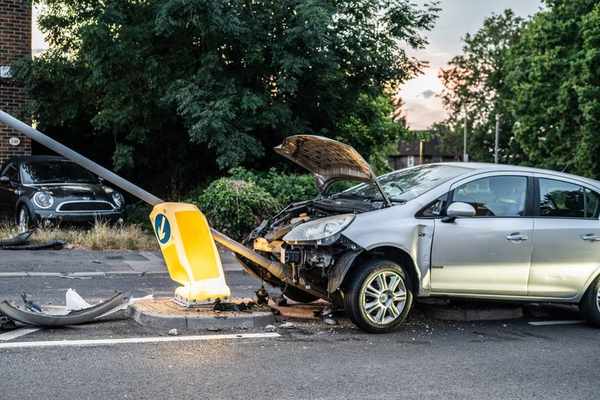
A road collision can leave you dealing with pain, repairs, lost income and insurers at the same time. A successful road traffic accident claim in the UK depends on proving what happened, connecting the accident to your injuries and documenting the financial effect.
This guide focuses mainly on England and Wales, where the Official Injury Claim service applies to many lower-value cases. Scotland and Northern Ireland use different procedures, so local legal advice may be needed.
Can You Make a Road Traffic Accident Compensation Claim?
You may have a claim if another road user failed to take reasonable care and that failure caused your injury. Claimants are not limited to drivers. Passengers, pedestrians, cyclists and motorcyclists may also seek compensation.
Fault does not always rest entirely with one person. If you were partly responsible, compensation may still be available, but it can be reduced to reflect your share of responsibility. This is often called contributory negligence or split liability.
What to Do Immediately After the Accident
Protect Health and Safety First
Move to a safe place where possible and call 999 if anyone is seriously injured or the road remains dangerous. Even when symptoms seem minor, obtain appropriate medical attention. Whiplash, concussion and soft-tissue injuries may become clearer several hours later. A timely medical record also helps connect the injury to the collision.
Exchange and Record Details
Collect names, addresses, registration numbers and insurance information. Photograph the vehicles, road layout, damage and visible injuries when safe. Ask witnesses for contact details.
You must report the accident to the police within 24 hours if the required details were not exchanged at the scene. You should also notify your motor insurer even if you do not intend to claim under your own policy.
Build Evidence Before Memories Fade
Strong car accident compensation claims are supported by several types of evidence. Useful material includes dashcam footage, CCTV, witness accounts, police references, medical notes, repair estimates and insurer correspondence.
Keep a recovery diary recording pain, sleep problems, travel anxiety, medication, appointments and activities you cannot manage. Save payslips and receipts for treatment, travel, care and other accident-related expenses.
Our guides to road accident evidence, split liability in car accident claims and uninsured driver compensation can also help you organise the next steps.
Choose the Correct RTA Claim Process
Lower-Value Claims in England and Wales
The free Official Injury Claim service is designed for many accidents in England and Wales that occurred on or after 31 May 2021. It generally covers cases where injury damages are no more than £5,000 and the overall claim is no more than £10,000. You can use the service without a lawyer, although professional representation remains an option.
Whiplash injuries lasting up to two years are valued under a fixed tariff. The revised tariff applies to accidents occurring on or after 31 May 2025, and the amount depends on the medical prognosis. A whiplash settlement cannot be completed without supporting medical evidence.
When a Road Accident Solicitor May Be Valuable
Legal advice is useful if injuries are serious, recovery is uncertain, liability is disputed or future losses must be calculated. A road accident solicitor can also help prevent an early, undervalued settlement.
Medical Evidence and Valuing the Claim
A medical report is central to a motor injury claim. The expert considers your records, symptoms and likely recovery period. Be accurate rather than dramatic: explain what you can and cannot do, how often symptoms occur and whether they are improving.
Compensation may include general damages for pain, suffering and loss of amenity, plus special damages for financial losses. These may cover earnings, treatment, rehabilitation, care, travel, damaged belongings, future income loss or long-term support.
Do not rush to settle while your condition is still developing. Once a full-and-final settlement is accepted, you will usually be unable to reopen the claim simply because symptoms last longer than expected.
What Happens After the Claim Is Submitted?
The insurer or compensating body investigates liability and reviews the evidence. It may admit fault, argue for shared responsibility or deny the claim. Once medical evidence and proof of losses are available, offers can be made and negotiated. If the parties cannot agree, a court may be asked to decide the disputed issue.
Serious injury, conflicting evidence or an uncertain prognosis can make a claim take longer. Waiting may be sensible when it produces a fairer assessment of future needs.
Uninsured Drivers and Hit-and-Run Accidents
A claim may still be possible when the responsible driver is uninsured or cannot be identified. The Motor Insurers’ Bureau handles eligible claims involving uninsured, untraced and certain foreign-registered vehicles. Hit-and-run incidents should be reported promptly to the police; the MIB says untraced-driver accidents must be reported within 14 days. Provide as much evidence as possible because these cases can be harder to investigate.
How Long Do You Have to Claim?
For most negligence-based personal injury claims in England and Wales, court proceedings must generally be started within three years of the accident or the date you first knew the injury was significant and linked to the incident. Different rules can apply to children, people who lack mental capacity and fatal claims. Scotland and Northern Ireland have their own limitation laws. Do not treat three years as a target date, because evidence becomes harder to obtain and negotiations do not automatically stop the limitation clock.
A Practical Example
Imagine a driver is struck from behind at traffic lights. The vehicles have modest damage, but neck pain appears that evening and causes ten days off work. The claimant reports the accident, sees a GP, saves dashcam footage, keeps wage records and records treatment costs. Those steps create a clear chain from collision to injury and financial loss. Without them, the insurer might dispute part of the compensation.
Frequently Asked Questions
Can I Claim If I Was a Passenger?
Yes. A passenger may claim against the driver responsible for the accident, including the driver of the vehicle in which the passenger was travelling.
Can I Claim If I Was Partly at Fault?
Possibly. Compensation can be reduced by an agreed or court-determined percentage to reflect your contribution to the accident or injury.
Do I Need a Solicitor?
Not always. Many eligible lower-value claims in England and Wales can be made through Official Injury Claim. Legal advice is sensible when the case is serious, disputed, complex or likely to exceed the portal limits.
Should I Accept the Insurer’s First Offer?
Only after checking that the medical prognosis and all past and future losses are included. An early offer can be unsuitable when symptoms have not stabilised.
Moving Forward With Your Claim
A well-prepared claim tells a consistent story: how the collision happened, what injury it caused and what the injury cost you. Seek medical care, preserve evidence, keep records and use the correct claims route. When injuries or losses are significant, early specialist advice can help ensure the settlement reflects the real effect of the accident.